
10 Main Long-Haul Revenue Leaks and How to Close Them
Unlike other transport modes, long-haul trucking is not one of those businesses with one dramatic mistake leading to income issues. Generally, profits decrease silently because of many small, recurrent issues that are left unnoticed during the course of daily operations. The things that are same as drivers of the revenue drains do not show up as specific loss events, but rather, they aggregate for long time and take a toll on the rate used for long-haul revenue, turning it into a smaller one.
These patterns explain why closing revenue leaks requires systematic attention rather than isolated fixes.
In the trucking industry, the most serious revenue leakage is caused by the shipment staying in constant movement. Trucks are on the road, mileage is being put on, statements are outgoing and cash flows in – all these happenings create a picture of a healthy operation. However, in reality, the situation is somber as weak controls, rate inconsistencies, missed charges, and operational vulnerabilities drain profits behind the scene. Thus, closing the revenue gaps comes down to not overnight adjustments of the rates, but rather, income protection that has already been achieved.
Most financial losses originate from internal blind spots rather than market pressure.
The article will dismantle the 10 most encountered long-haul revenue drains by a leasing truck operator, touch on their roots, and provide the tips for fleets and the self-driver of a car stopping the profit reduction without intervening their operations.
How Does a Trucking Company Make Money? (Complete Breakdown)
1. Inconsistent Rate Discipline Across Loads
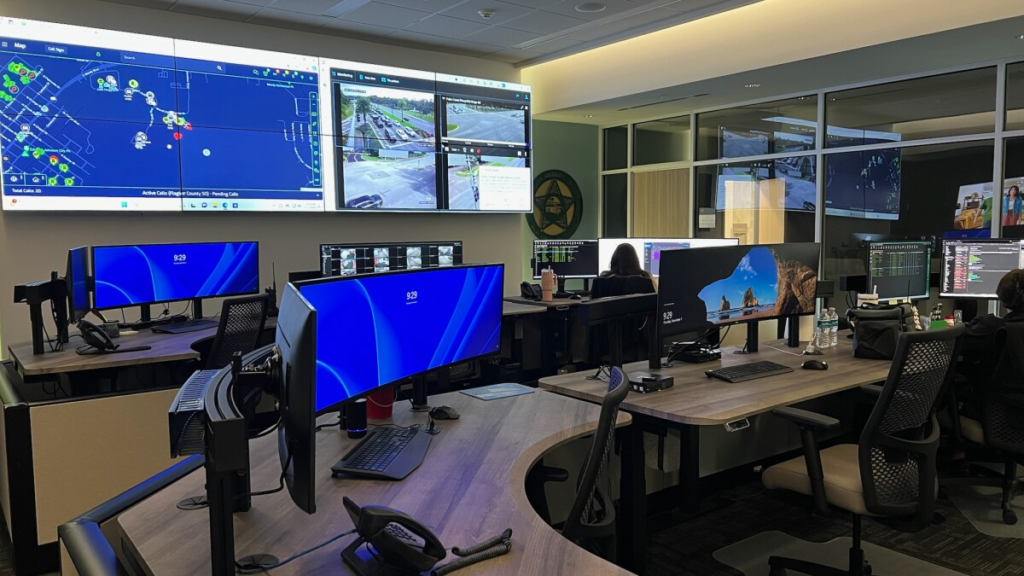
The pricing error is among the most common drivers of revenue leakage in long-haul trucking. When some lanes are priced differently compared to others without any good reason, profits are unpredictable. This can happen when the dispatchers operate independently by negotiating floor rates or by overriding standard pricing because they feel the pressure of covering a truck.
Such pricing inconsistencies often become normalized and quietly reduce long-haul revenue.
As time passes, these issues accrue and can cause a suffering structural profit. The loads that “are still okay with the price” can actually fall short of par once the costs for fuel, detention risk, and deadhead are taken into account.
How Rate Inconsistency Turns Into Revenue Loss
| Issue | Immediate Effect | Long-Term Impact |
| Lane pricing not standardized | Uneven margins | Structural profit erosion |
| Dispatcher overrides | Short-term truck coverage | Loss of pricing discipline |
| Cost components ignored | Loads appear profitable | Net margin turns negative |
| No rate floor enforcement | Uncontrolled negotiations | Revenue volatility |
Set a minimal acceptable rate per lane and develop cost-based pricing standards. Create conditions for decision making that, for example, allow dispatchers to work on the basis of restrictions instead of discretion alone.
2. Deadhead Miles Treated as Inevitable
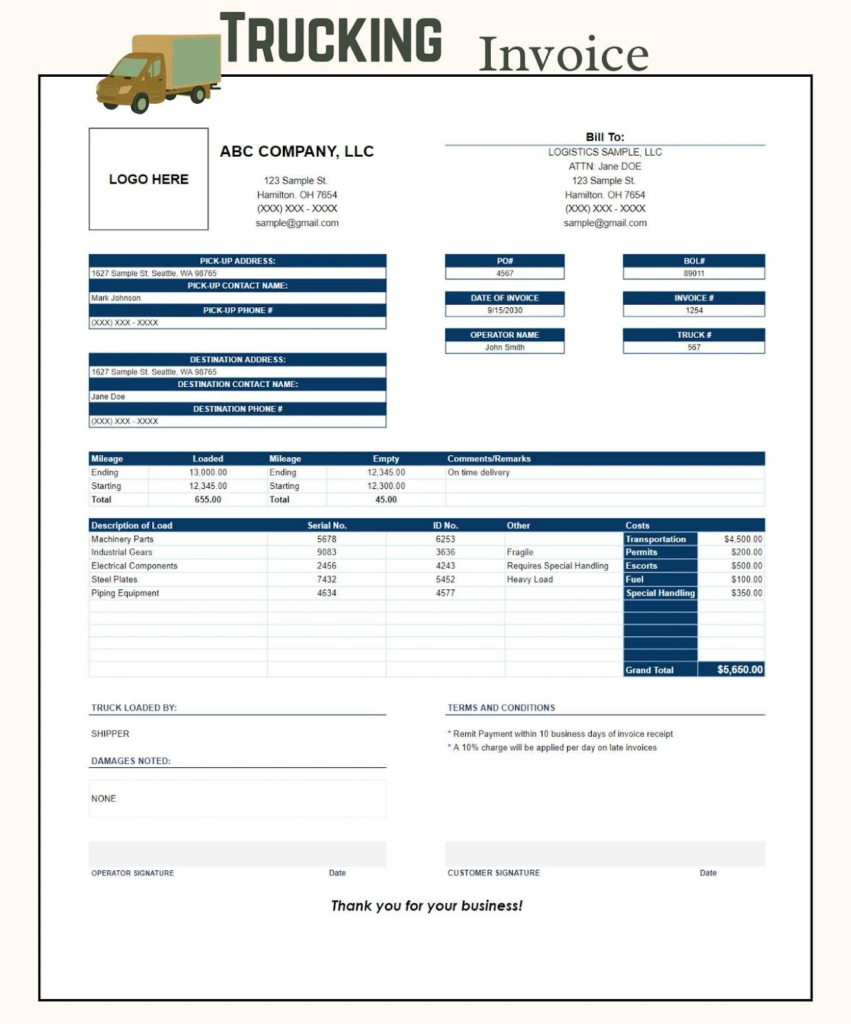
Although deadhead is often accepted as a long-haul reality, the unmanaged one silently eats some of the revenues. Unpaid miles lead to an increased cost per loaded mile and eating away from the net profitability.
When deadhead is ignored, it becomes a hidden profit drain instead of a controllable cost.
The issue is not deadhead per se, but it is the lack of responsibility associated with it. When the deadhead is not monitored against the revenue it becomes non-existent.
Ensure that every single dispatcher gets a record of the deadhead miles per load. Their performance appraisals should include the efficiency of deadhead as well, not just the load volume.
3. Unbilled Accessorial Charges

Unbilled charges are a direct approach to leaking revenue. Charges such as detention, layover, extra stops, and trailer repositions that are unpaid get there without no documents or a follow-up.
Unbilled expenses represent revenue already earned but never collected.
Each charge that was missed may look inconsequential, but it summarily becomes a material loss.
Develop a standard checklist that goes along with every load and includes possible accessorials. Billing should be solely process based, which means nothing to remember.
4. Invoicing Delays That Slow Cash Flow
Invoicing delays do not lower revenue per se, rather they diminish cash availability. After all, late invoices mean slower payments, higher reliance on factoring, and increased financial stress.
Invoicing delays often amplify revenue leakage by weakening cash flow visibility.
In long-haul units, the delayed invoicing periods mostly emerge since the paperwork is not returned on time and there is no clear responsibility for billing.
Impact of Invoicing Delays on Financial Stability
| Delay Factor | Operating Result | Financial Consequence |
| Late POD submission | Invoice held | Payment postponed |
| Manual invoicing | Processing backlog | Cash flow gaps |
| Billing ownership unclear | Invoices missed | Higher factoring costs |
| No time benchmarks | Delays normalized | Reduced liquidity |
Make sure the invoices are automated as soon as the proof of delivery comes in. From now on, we will measure the time taken to invoice in hours instead of days.
5. Billing Errors and Corrections
Errors are one of the main sources that leak revenue: either underbilling or causing disputes due to delays in payments. Bad rates, missing charges or incorrect references are often the reason for the rejection of invoices and prolonged payment terms.
Billing errors frequently lead to avoidable payment disputes and delayed settlements.
Although the mistakes are corrected at a later time, they lead to administrative expenditures and cash flow disruption in the meantime.
Add validation checks to the invoices before they are sent for submission. Accuracy acts both as a source of revenue and relationship protection.
6. Contract Mismanagement and Missed Renewals
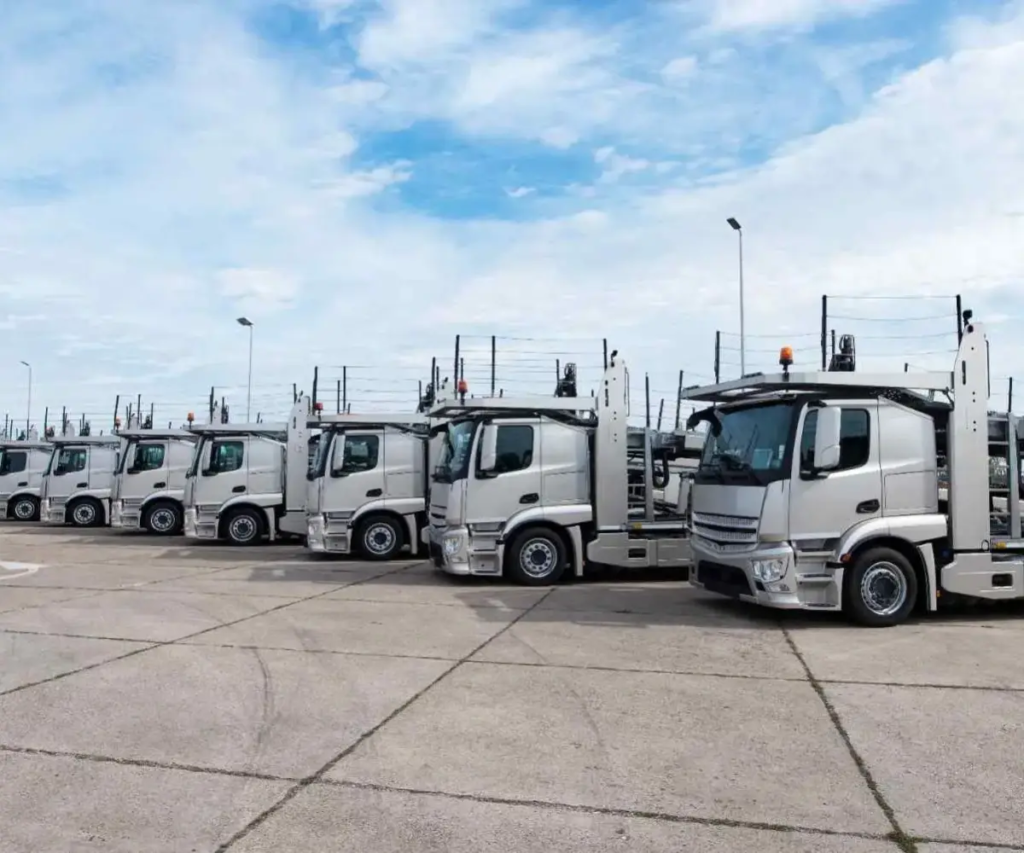
Poor contract management is one of the silent profit drains. Expired contracts, outdated rate contracts, or forgotten fuel surcharge changes often still roll long after the markets have changed.
Contract mismanagement and missed renewals lock fleets into unprofitable terms without triggering alerts.
This is one of the most expensive long-term revenue leaks since it ties up improperly priced freight.
Keep a contract calendar that has review dates along with escalation clauses. Protect your revenue by taking action before the renewal deadlines.
7. Unauthorized Discounts and Informal Concessions
Such discounts as unauthorized ones can take place to perform good acts to satisfy a customer or to transport a difficult load. Gradually, these informal concessions will turn into pricing cases.
Unauthorized discounts gradually erode pricing discipline across similar lanes.
This creates an inconsistency in pricing as well as a rift within the company.
Require consent for any deviation from standard rates. Openness will avoid margin erosion.
8. Scope Creep in Customer Expectations
Scope creep is when additional “services are built into the contract without charge”. Extra communication, flexible scheduling, last-minute changes, or special handling increase workload without increasing revenue.
Scope creep expands operational effort while leaving invoices unchanged.
By the same token, in long-haul trucking, the scope creep raises costs while leaving invoices unchanged.
Common Forms of Scope Creep and Their Cost Effect
| Added Expectation | Operational Impact | Revenue Effect |
| Last-minute rescheduling | Dispatch strain | No added billing |
| Special handling requests | Extra labor | Margin reduction |
| Extended communication | Time loss | Unpaid service |
| Flexible cut-off windows | Equipment idle time | Hidden cost increase |
Explicitly define the boundaries that apply in the service relationship in a contract. Anything that breaches the scope should start a charge or renegotiation.
9. Weak Internal Controls and Oversight

The small leaks are allowed to go unchecked by the weak internal controls. Without clear accountability, the revenue loss is distributed throughout multiple departments and has no identified owner.
Weak internal controls allow revenue leakage to persist unnoticed.
This builds accumulative losses that are complicated to detect.
How to close the leak:
- Designate a person to be responsible for the revenue protection.
- Regular audits inhibit leakage from settling in
10. Fraudulent Activities and Internal Abuse
Fraud is uncommon, but it can lead to significant consequences. Digi-DO abuses fuel cards, falsely claims detention, or fabricates paperwork all of which result in the theft of the long-haul revenue directly.
Fraudulent activities usually surface only after substantial financial losses accumulate.
What is worse, such losses oftentimes manifest only when they reach significant levels.
Engage in monitoring, double-checking data, and segregating financial function. Prevention is always much cheaper than recovery.
Closing Revenue Leaks Is a Discipline, Not a One-Time Fix
Long-haul revenue drains are not the ones disappearing on their own accord most of the time. It calls for systematized attention, well-defined processes as well as regular follow-up. The bulk of the profit drain does not usually stem from pressures coming from outside the organization, but from the internal blind spots.
Prevent revenue loss by addressing common causes before they scale.
Prevent revenue leaks by focusing on process clarity, pricing discipline, exact billing, and internal controls. The moment these systems work side by side, the long-haul revenue will automatically get more predictable, strong, and expand.
Making losses from profits is not a matter of tightening strikers or customers; it is about appreciating the already created value.
FAQ
How can it be possible for hidden revenue patches to exist even when trucks are moving all the time?
Constant movement gives a false impression of being profitable. Truckloads are carried, bills are sent out, and the cash is in, but minor internal discrepancies gather quietly. Without a proper process to identify and fill these gaps, the situation will drain the company’s margins through time.
How can a fleet fleet spot disguised revenue issues priorly?
The early warning about the utility is based on tracking the internal metrics instead of market conditions. For example, the analysis of the deadhead ratio, the billings, the contract renewals, and invoicing speed all show the rate of losses that mostly come in advance before they cause bigger problems.
Is it possible for internal controls to minimize the profit erosion without raising the rates?
Definitely. The majority of losses do not come in the form of low rates but by the processes that are poorly managed. By holding people accountable, improving billing discipline, and monitoring contracts, fleets can stop profit from leaking out of operations that are already generating value.
In what way does the sales process contribute to the long-haul revenue keeping?
The sales process brings together pricing decisions, contract terms, accessorial billing, and invoicing accuracy. Any mismatch here leads to the operational earning of revenue and the administrative loss of it.
Is revenue protection a periodic tidying up or it needs to be practiced all the time?
It needs to be a routine practice. Revenue leaks often recur due to control lapses. Regular checks, audits, and clear ownership are needed to maintain stable margins in the long run.